




A review of data collection methods used to monitor the associations of wild species with marine aquaculture sites
DOI: 10.1111/raq.12890

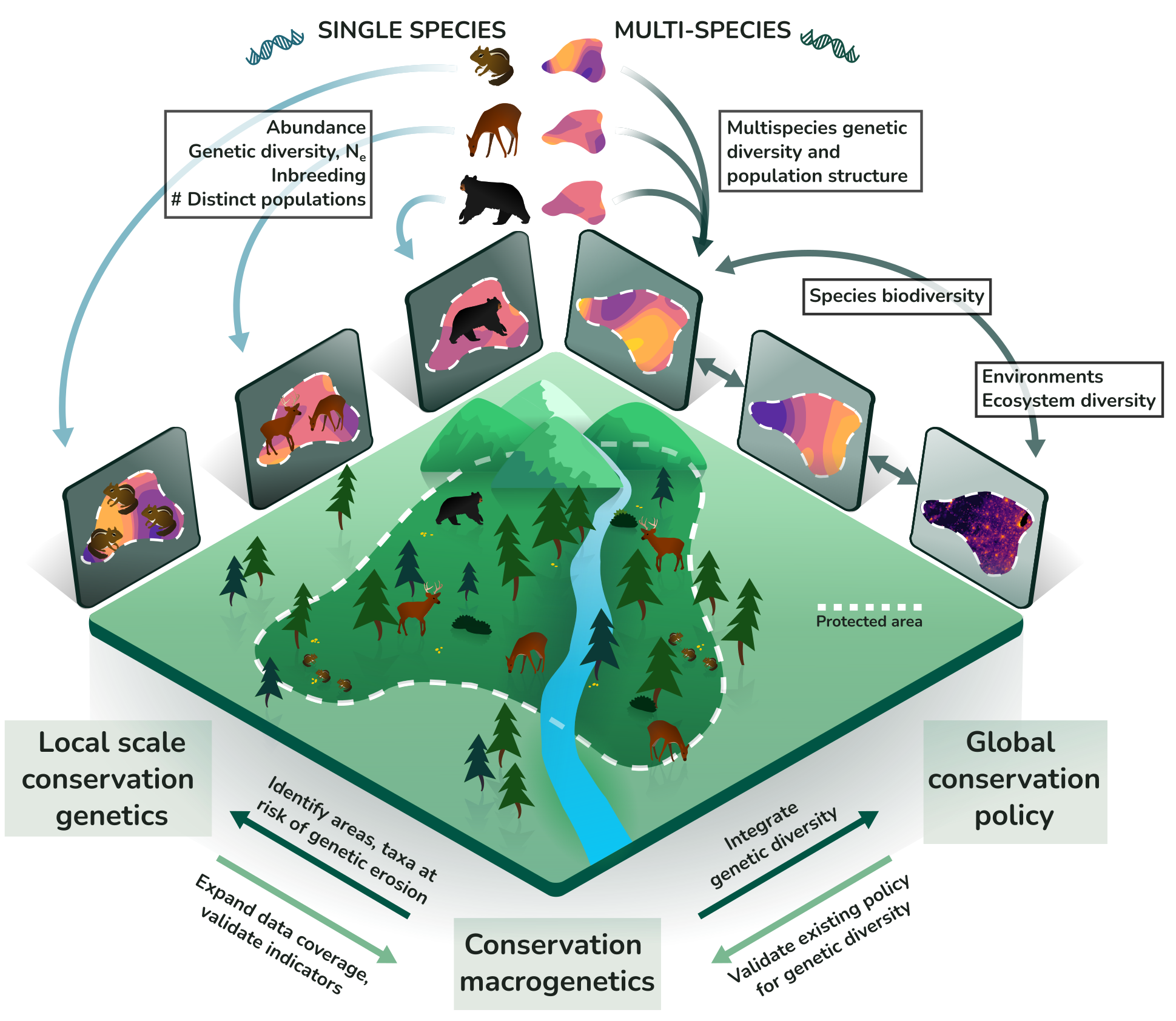
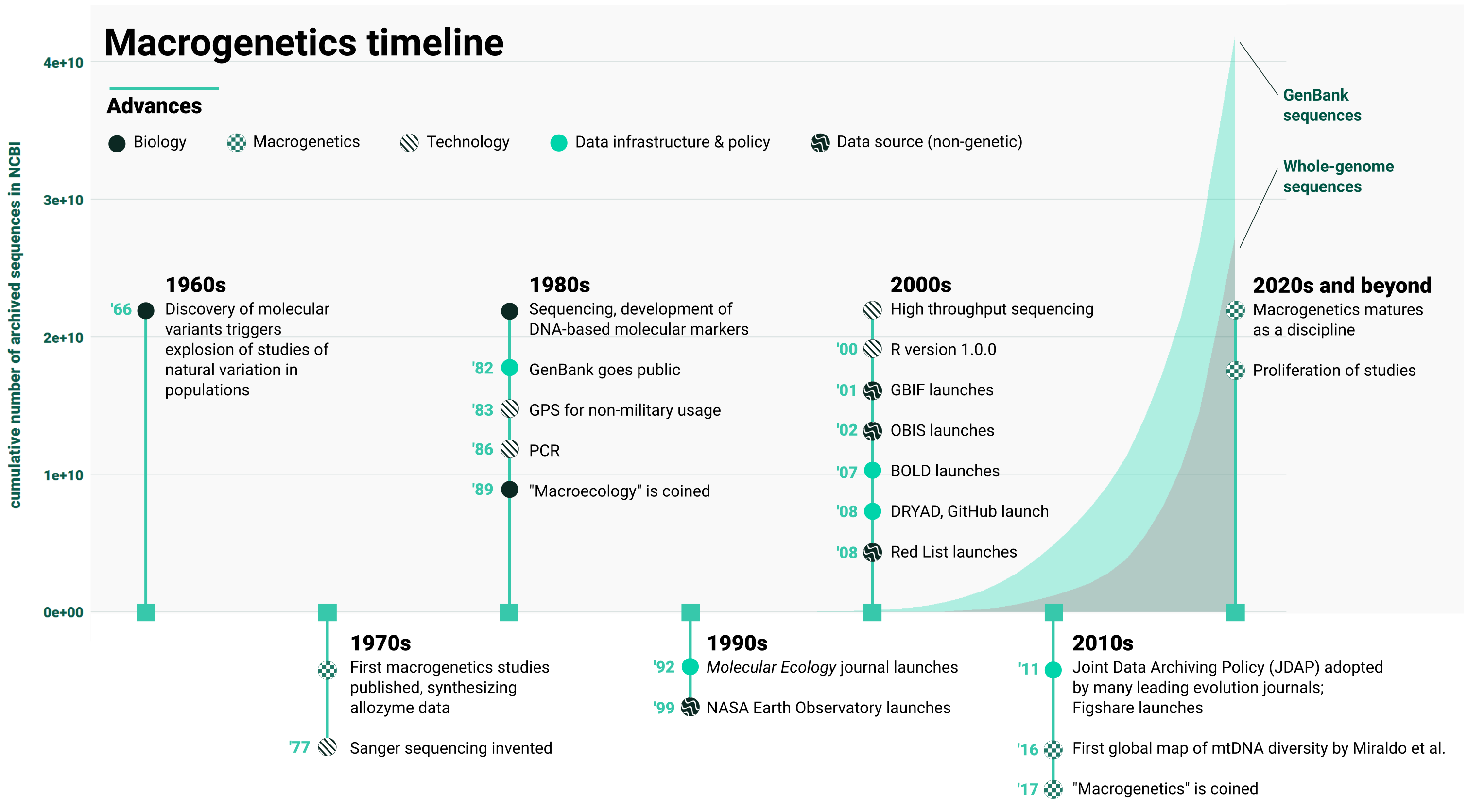
Conservation macrogenetics: harnessing genetic data to meet conservation commitments
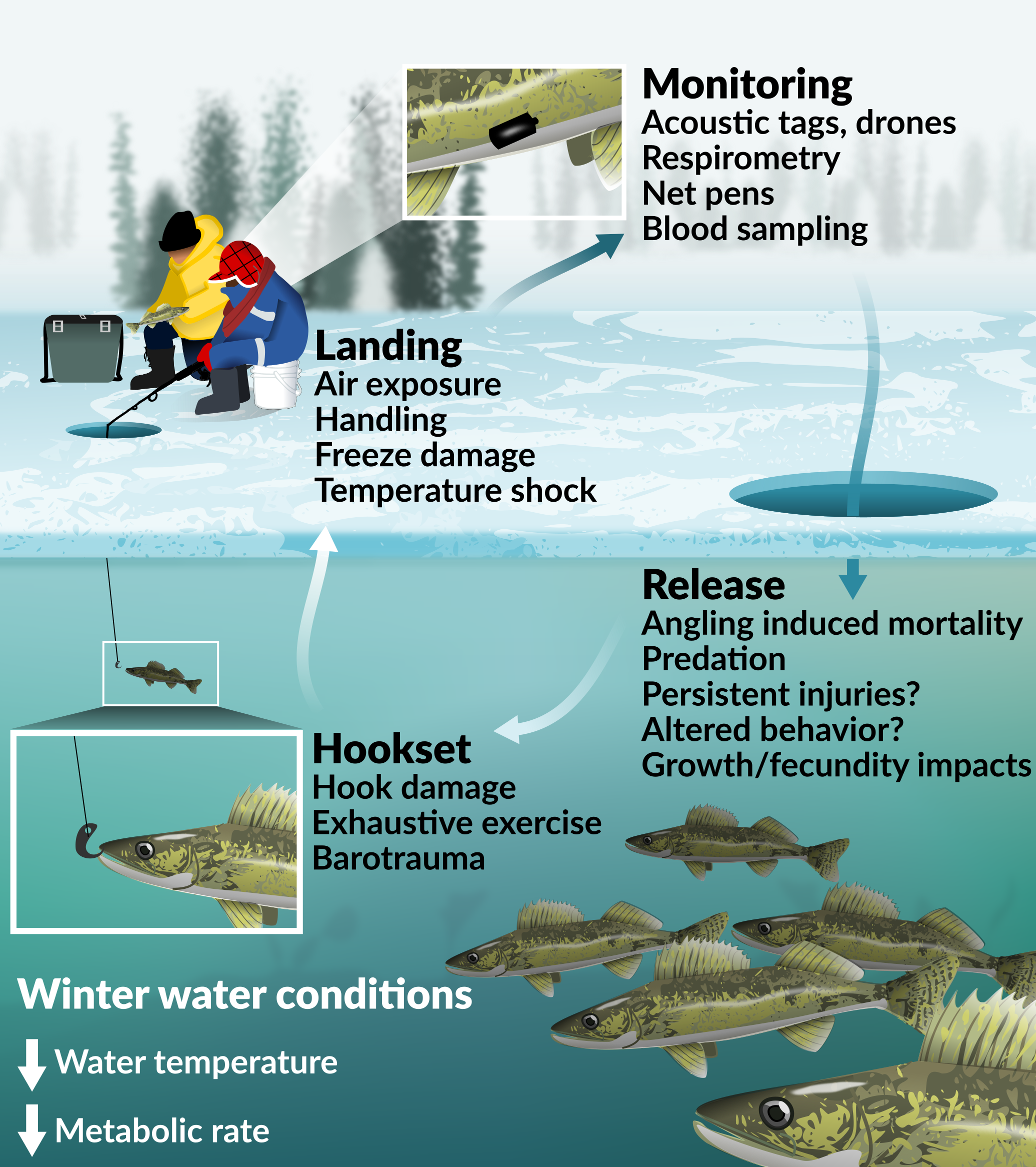
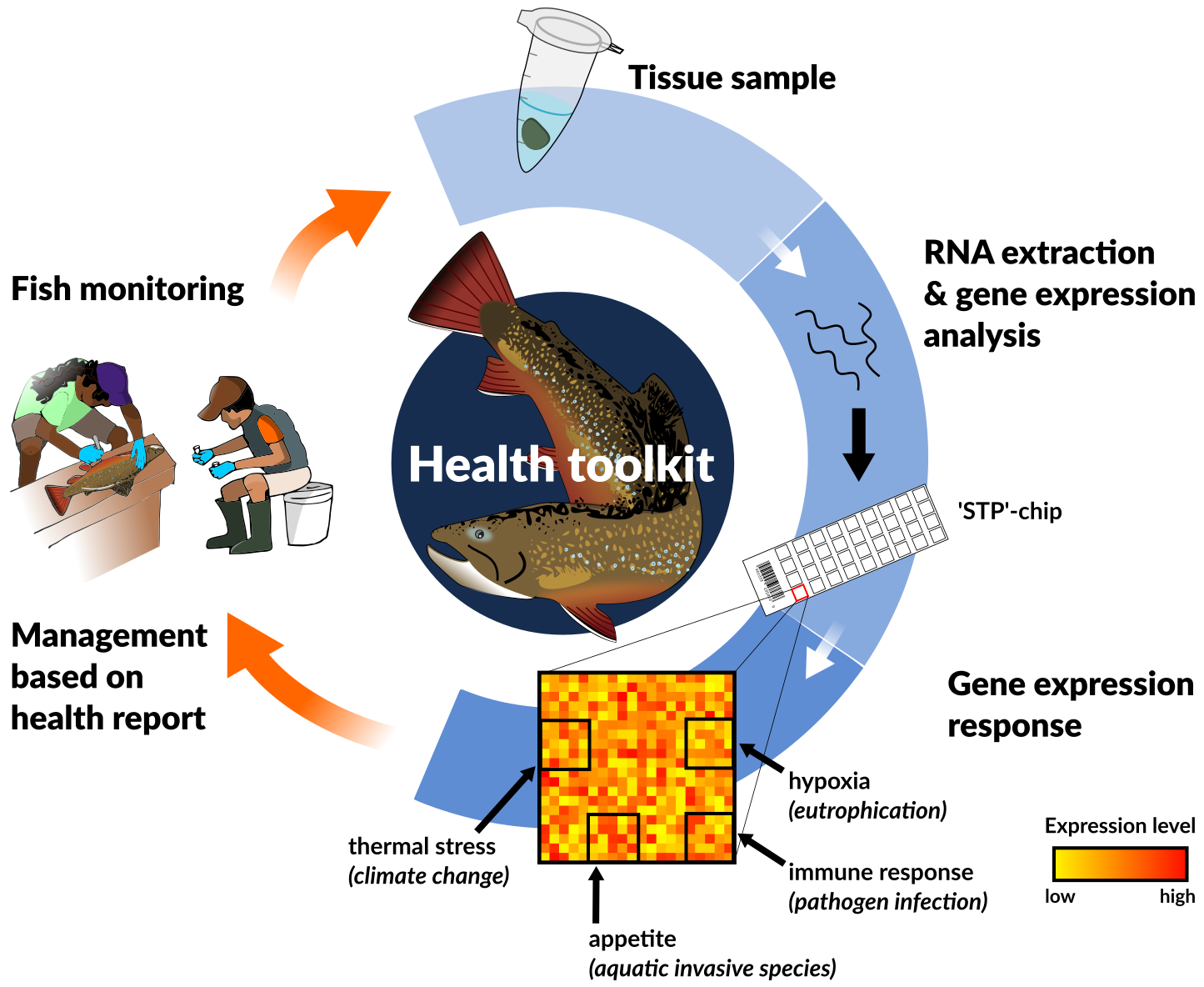
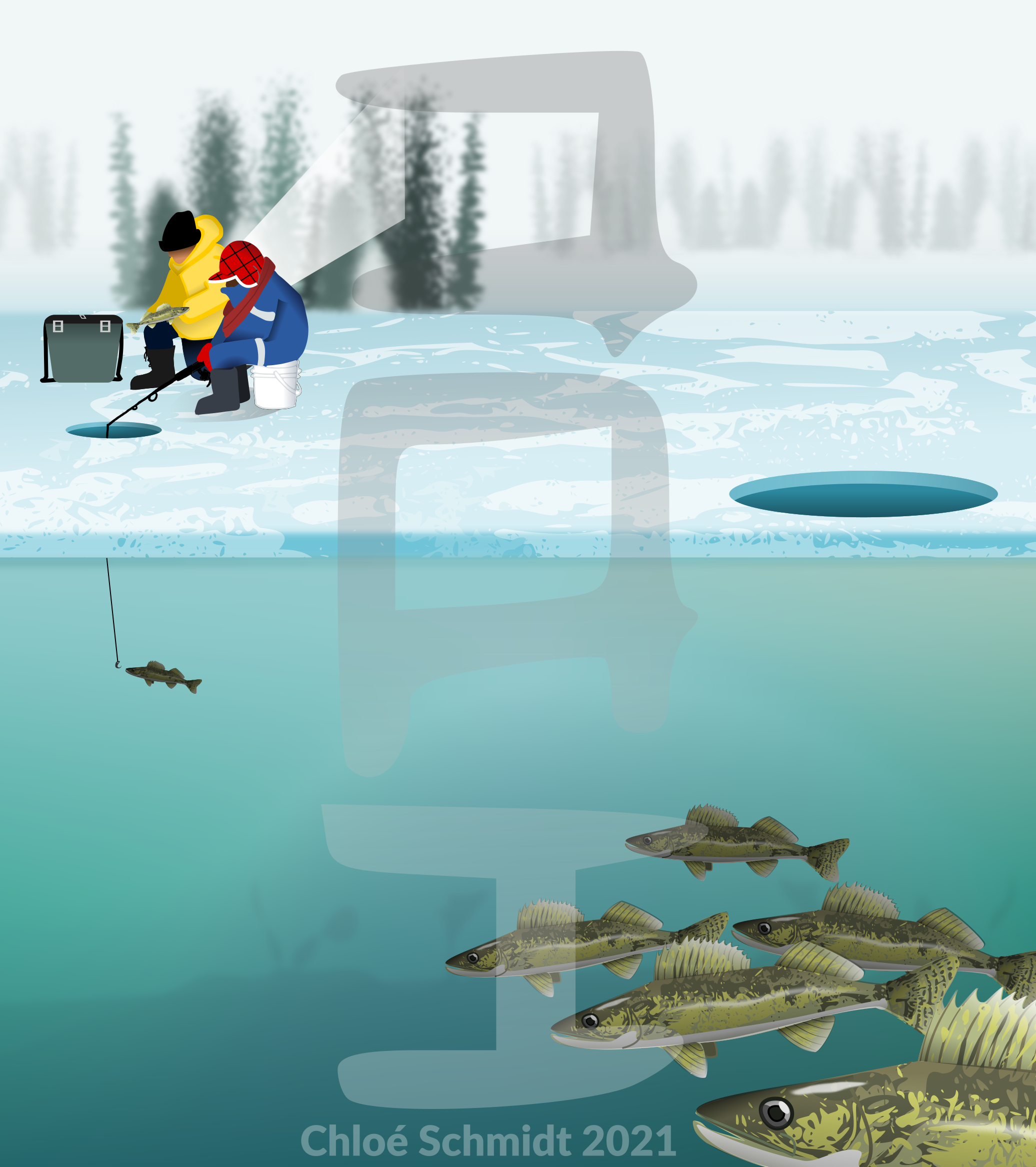
Innovating transcriptomics for practitioners in freshwater fish management and conservation: best practices across diverse resource-sector users
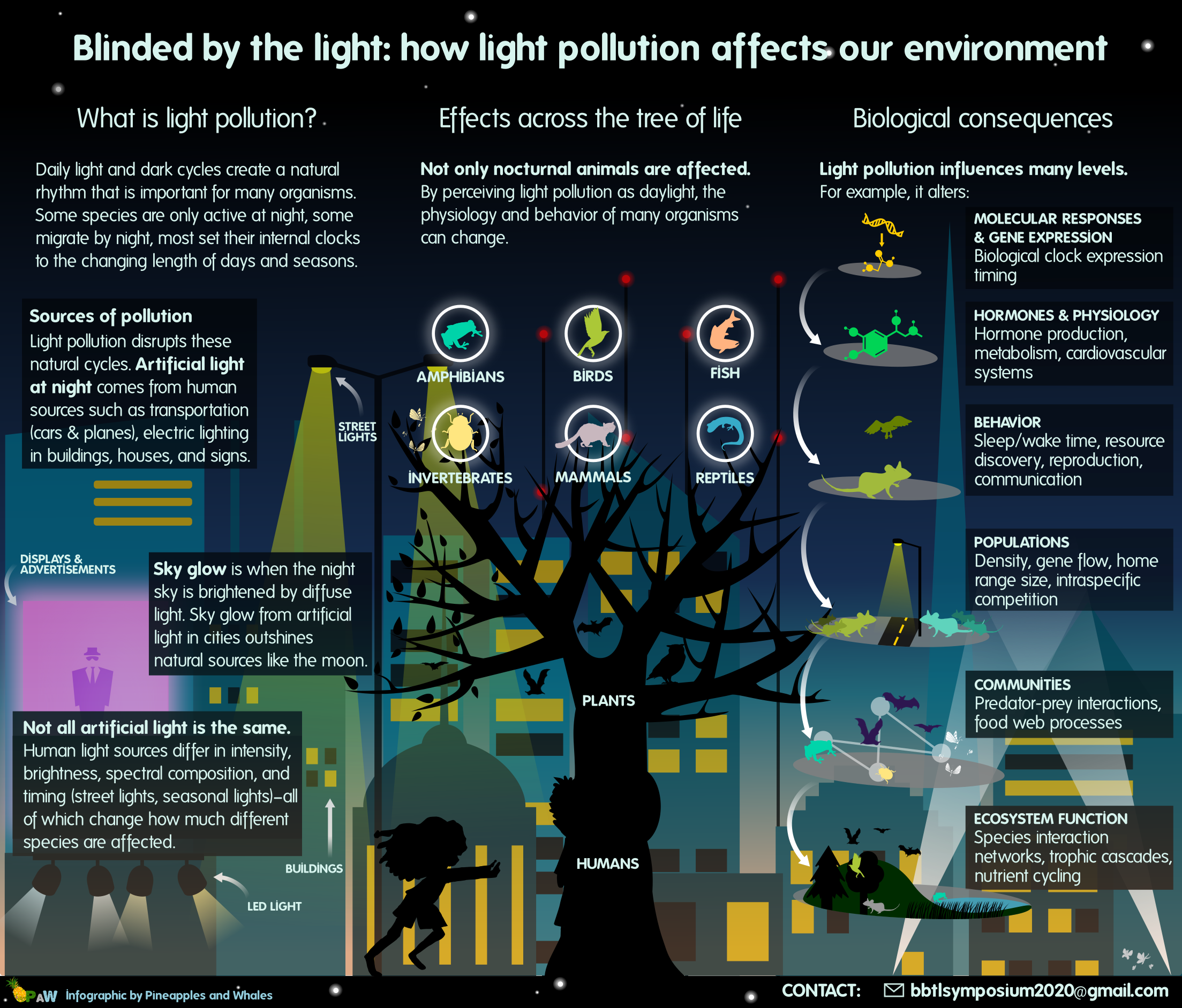
Blinded by the light: how light pollution affects our environment
Poster for Society for Integrative and Comparative Biology 2021 symposium
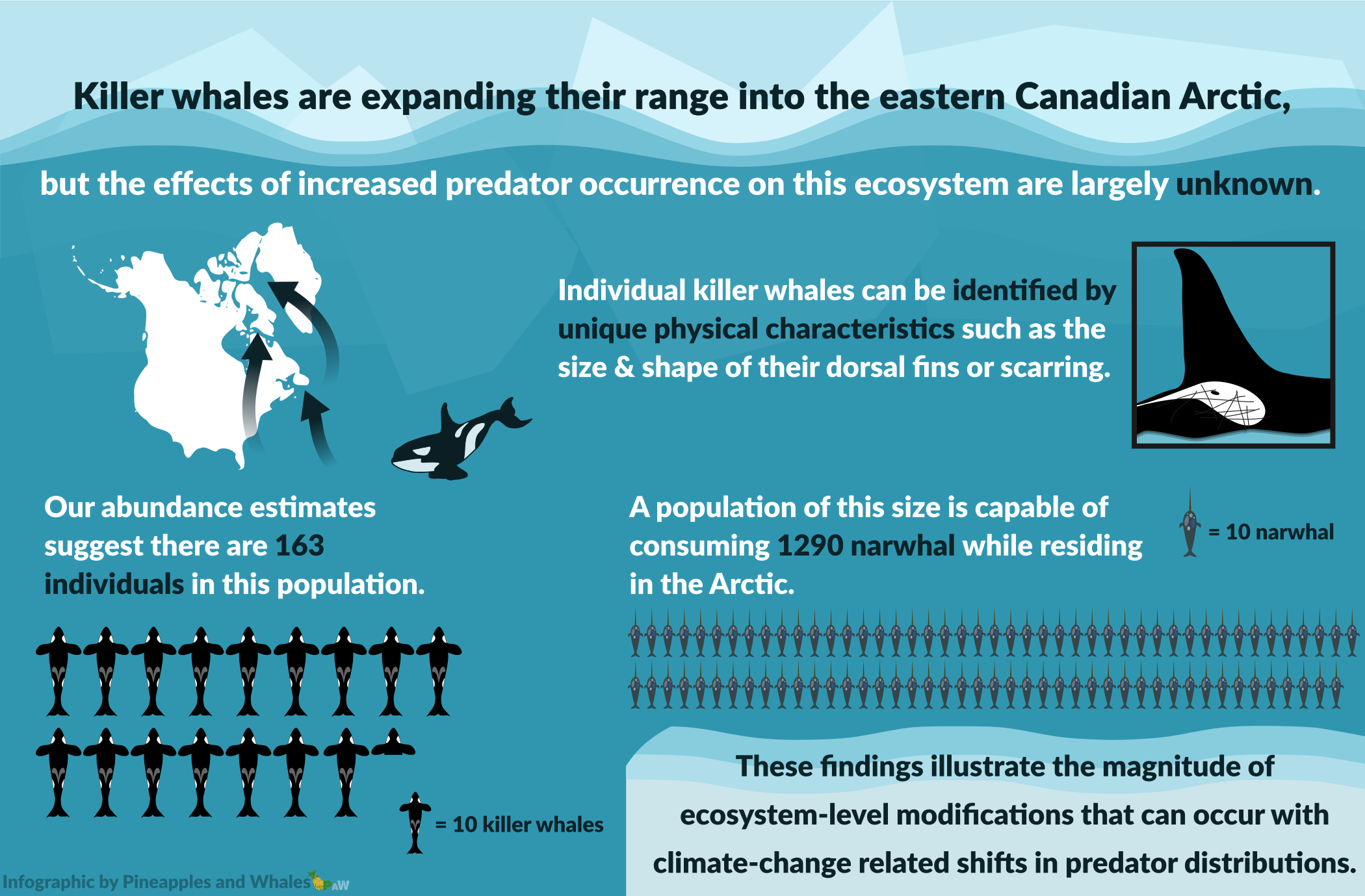
Killer whale abundance and predicted narwhal consumption in the Canadian Arctic
DOI: 10.1111/gcb.15152
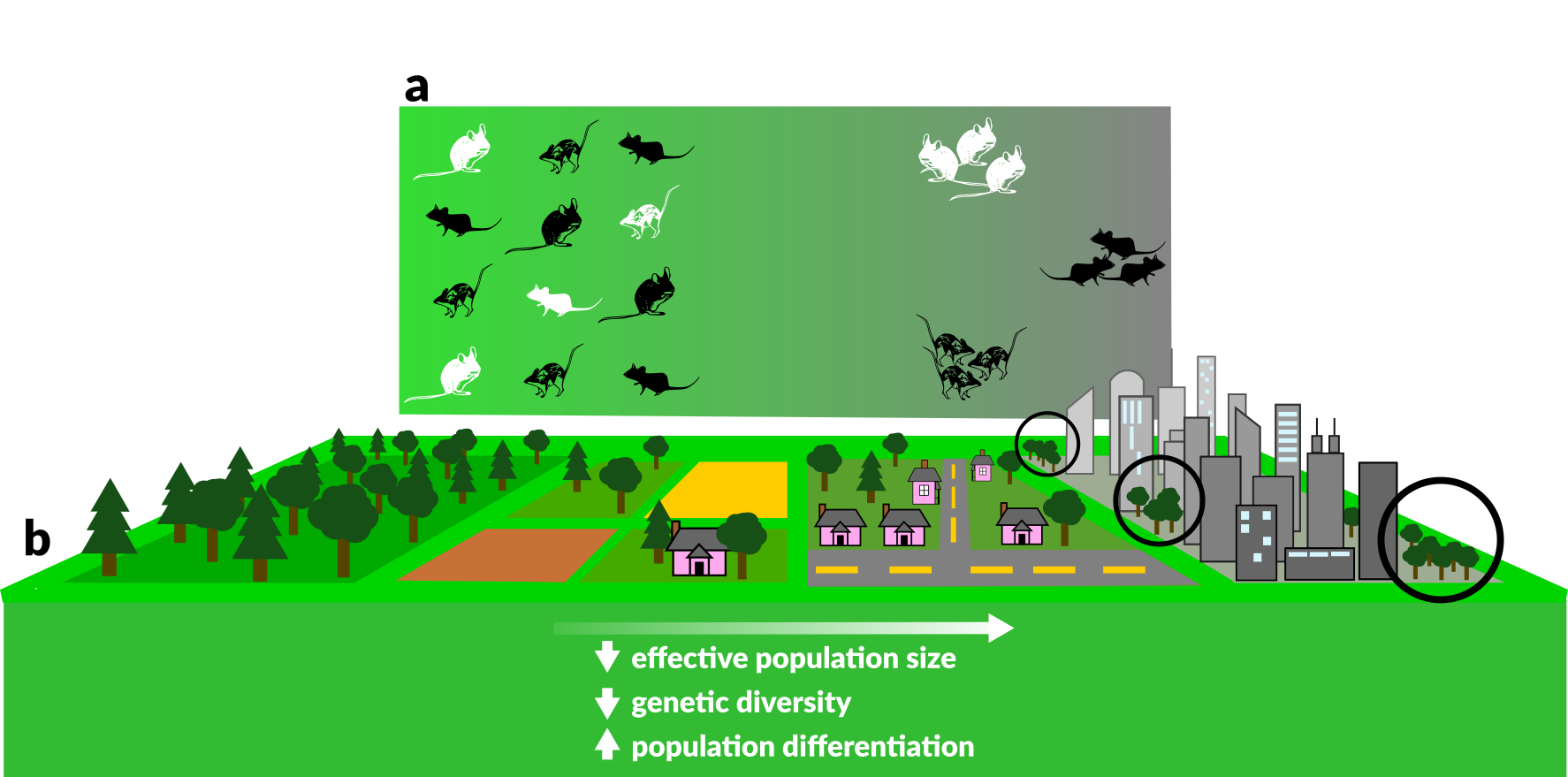
Continent-wide effects of urbanization on bird and mammal genetic diversity
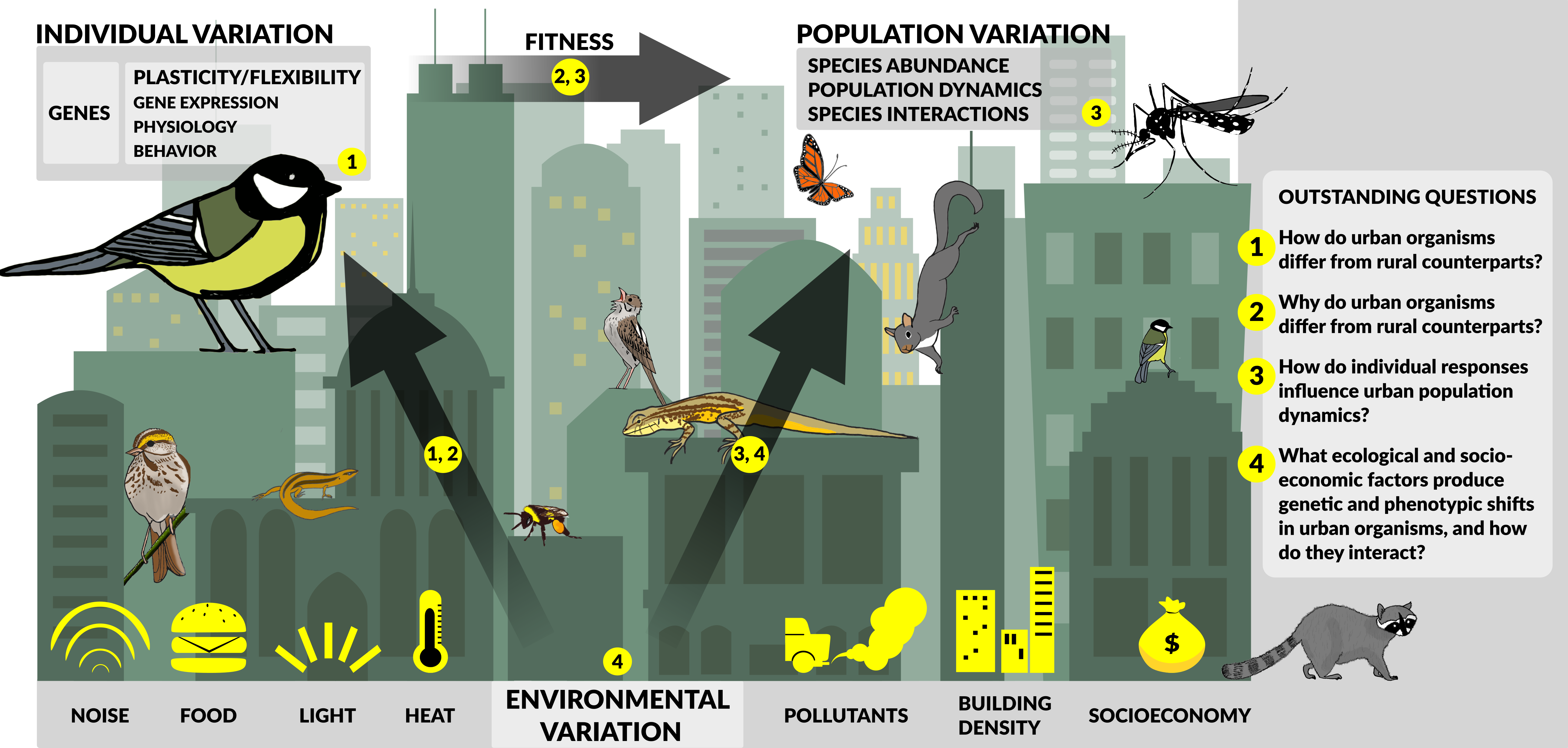
A new framework for urban ecology: an integration of proximate and ultimate responses to anthropogenic change
DOI: 10.1093/icb/icy110

Logos

Misc.
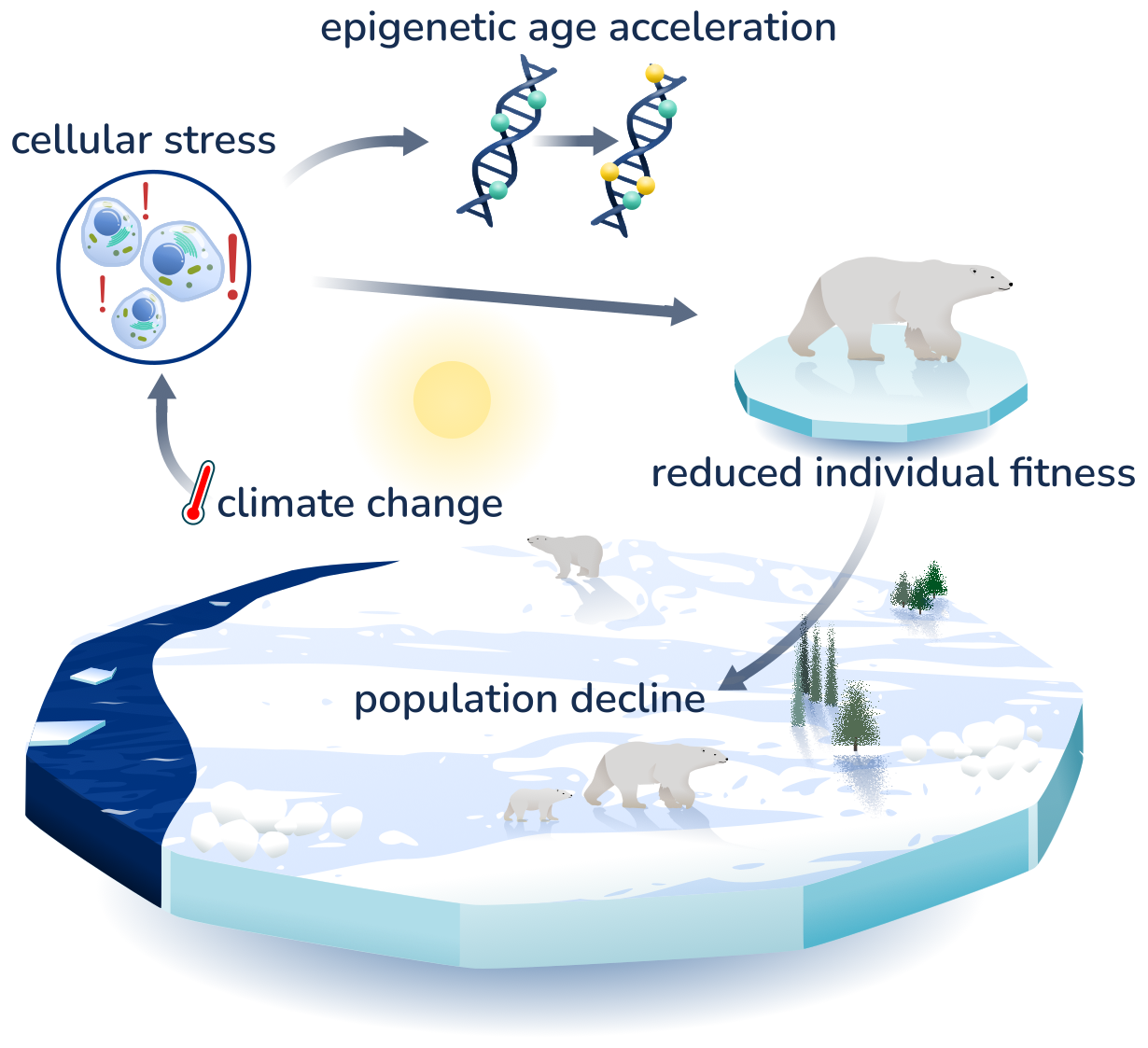
Climate change, age acceleration, and the erosion of fitness in polar bears


Light at night disrupts trophic interactions and population growth of lady beetles and pea aphids
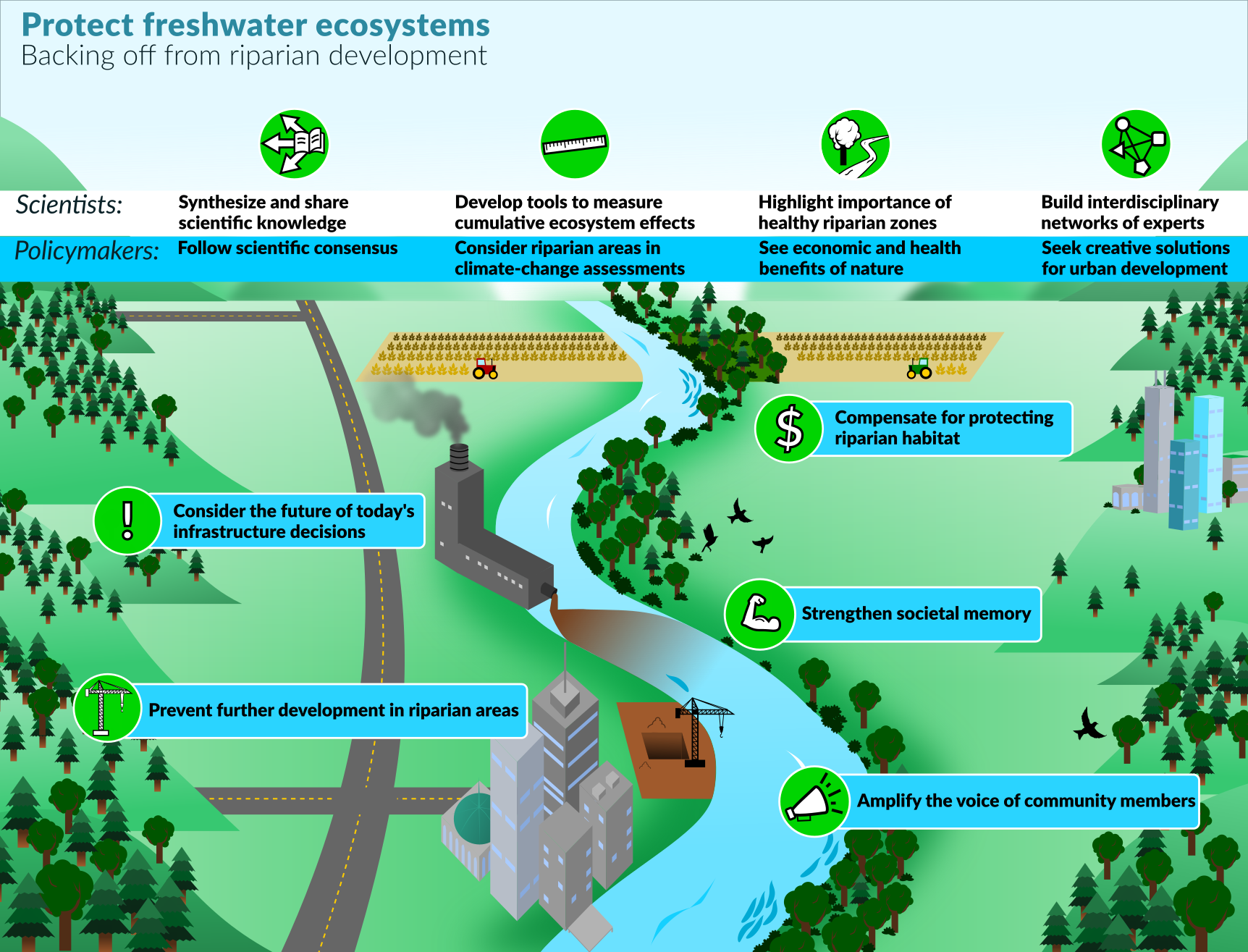
Our failure to protect the stream and its valley: A call to back off from riparian development
DOI: 10.1086/719958
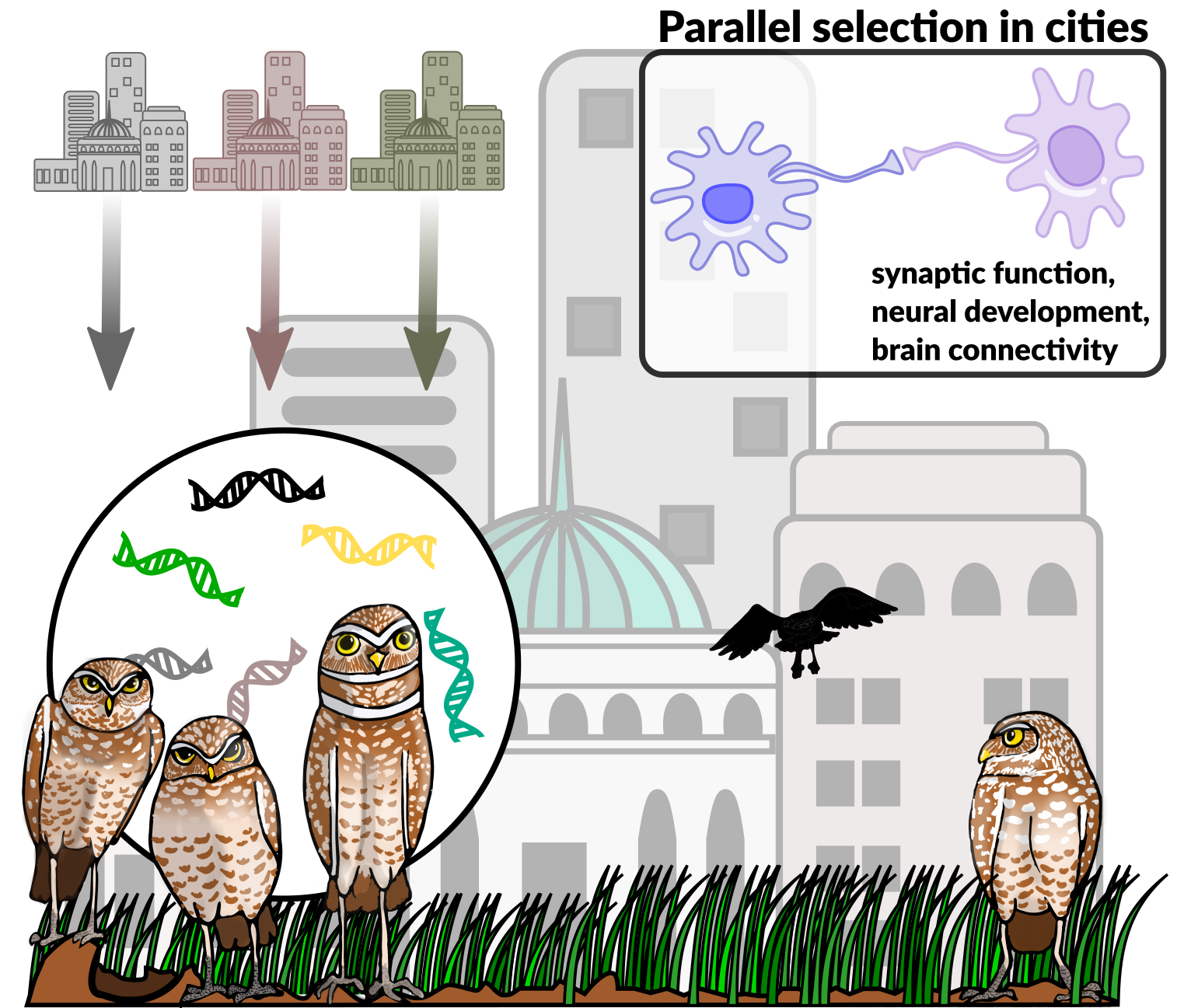
Genomic evidence for parallel adaptation to cities
DOI: 10.1111/mec.15589
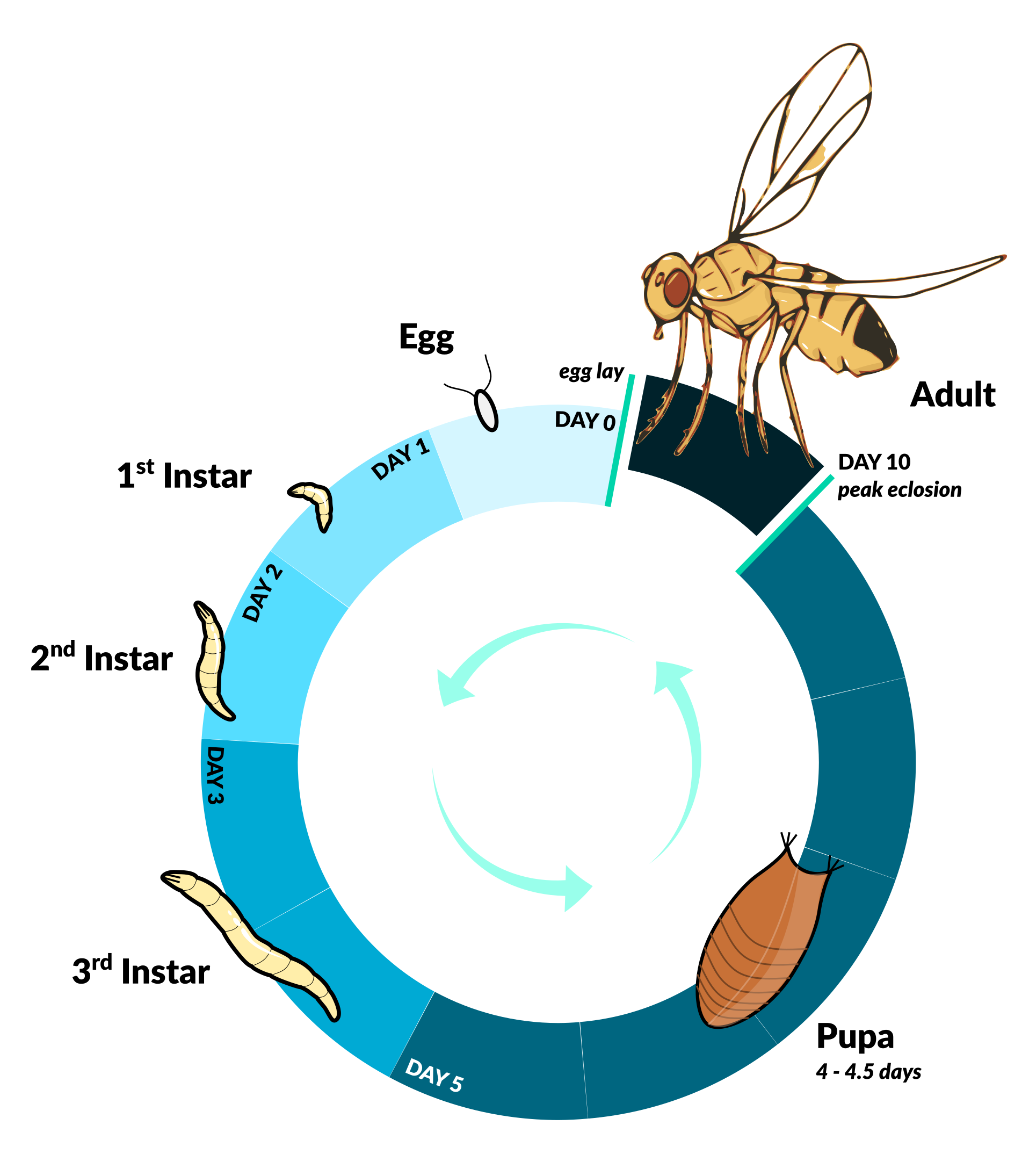
Life-history evolution and the genetics of fitness components in Drosophila melanogaster
5 figures
DOI: 10.1534/genetics.119.300160
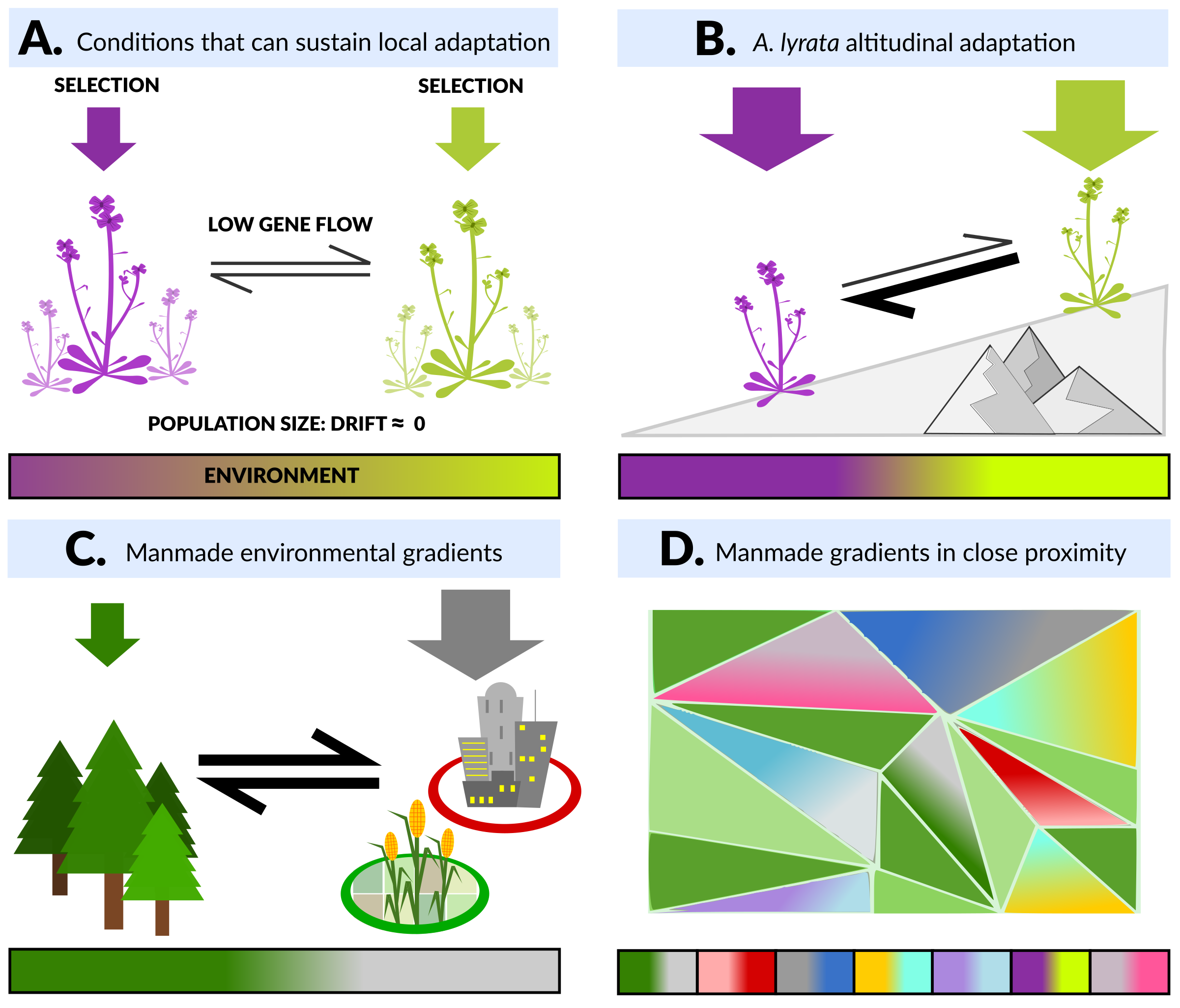
Digest: Local adaptation at close quarters
DOI: 10.1111/evo.13521

 chloé schmidt